
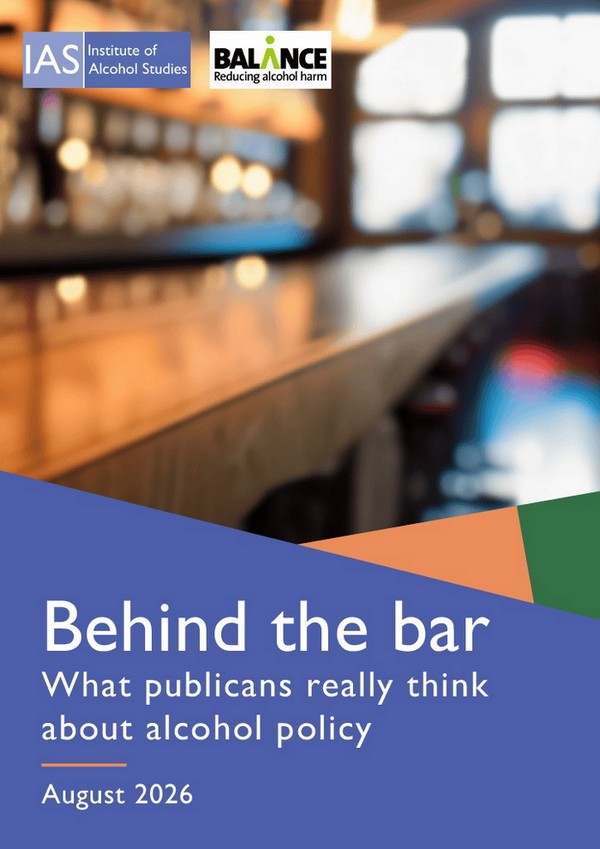
Cheap supermarket alcohol is harming Britain’s pubs, according to a new report from the Institute of Alcohol Studies (IAS) and Balance, the North East alcohol harm reduction programme.
Drinking has shifted decisively from the pub to the home in recent decades. Today, around three-quarters of alcohol in the UK is bought through supermarkets and off-licences, with rapid online deliveries also now in the mix. Shop-bought beer is now 245% more affordable than in 1987, against just 54% for beer bought in a pub.
Behind the Bar: What Publicans Really Think About Alcohol Policy finds that publicans overwhelmingly blame that price gap for pub closures. Sixty-two per cent of publicans say alcohol sold from supermarkets and off-licences is too cheap. Sixty per cent want the government to close the gap with the off-trade, and one in four name cheap off-trade alcohol as one of their three biggest business challenges, alongside rent, energy, and staffing costs.
The survey of 200 publicans found that 58% back minimum unit pricing in England (79% in the North East), and 75% support a tougher drink-drive limit — including a majority of rural publicans, who trade bodies have claimed would be hardest hit.
“We don’t need alcohol to be cheaper,” said Adam Taylor, who runs a wet-led community pub in Barrow-in-Furness. “We need government to recognise the difference between a pint served in a regulated community pub, and cheap alcohol sold for consumption at home.”
The real dividing line, the report argues, is between the on-trade and the off-trade. Yet publicans say they are rarely, if ever, asked what they think. The trade bodies who claim to speak for them prioritise the interests of their major funders, the report argues: multinational alcohol producers who make billions from cheap, supermarket sales.
“Alcohol deaths in England reached record levels in the years after the pandemic, and it’s clear that cheap supermarket alcohol consumed at home is driving much of that harm,” said Dr Katherine Severi, chief executive of the Institute of Alcohol Studies. “The rise of rapid alcohol delivery apps has made things worse, letting people with the heaviest, most dangerous drinking patterns get alcohol to their door within minutes, often when their health is already failing.
“What’s striking about this report is that the people running Britain’s pubs agree with the public health community on the fix. They’re not asking for cheaper alcohol — they’re asking for a level playing field. Raising the price of supermarket alcohol, through minimum unit pricing and higher duty, would cut deaths, support struggling pubs, and free up revenue to invest in treatment and prevention.
“Government has both a health case and an economic case for acting on cheap alcohol. Now it has publicans’ backing too. There’s no excuse left not to act.”