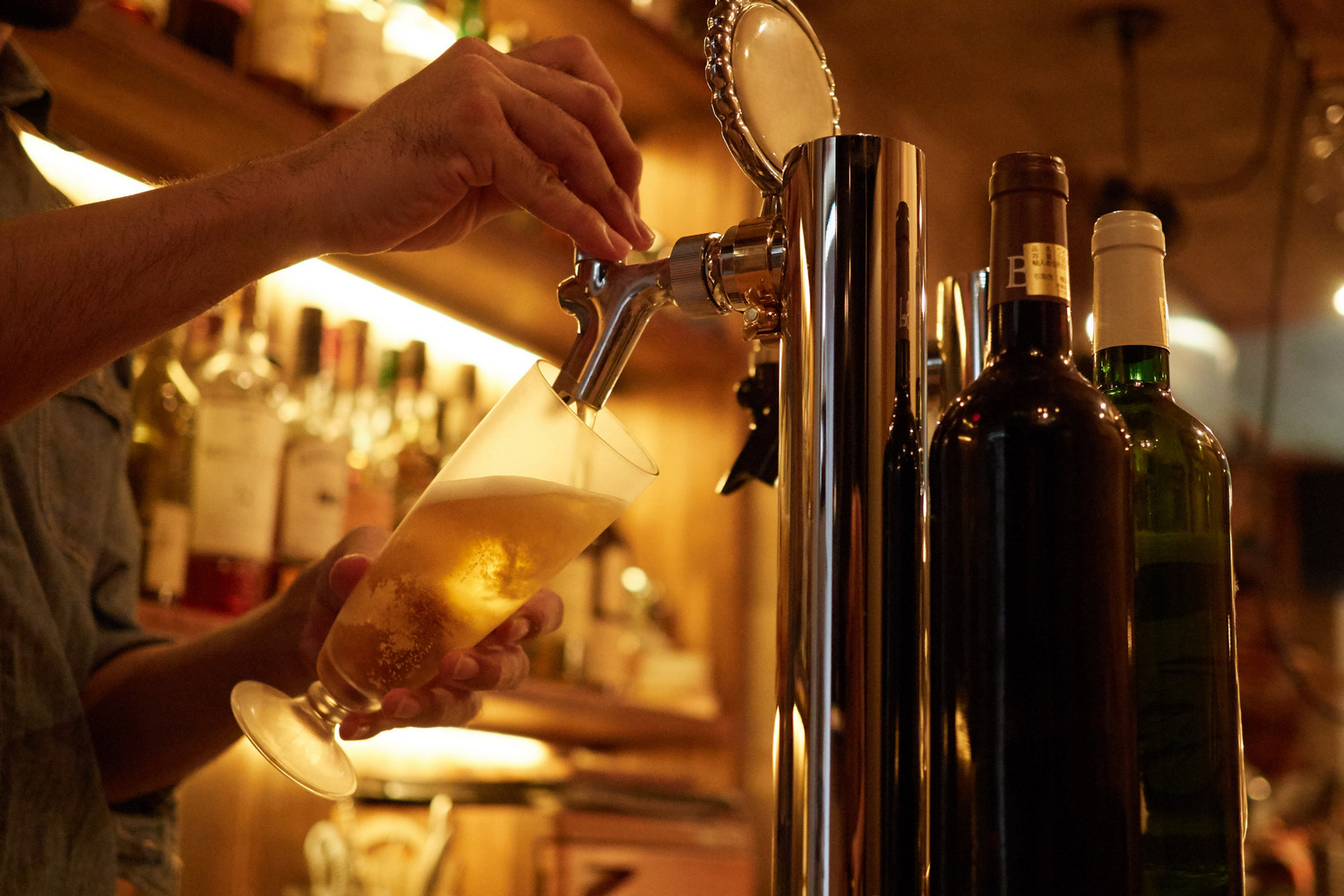

Harviestoun is scaling for growth with the first phase of a strategic investment programme under way at its Alva, Clackmannanshire, brewery.
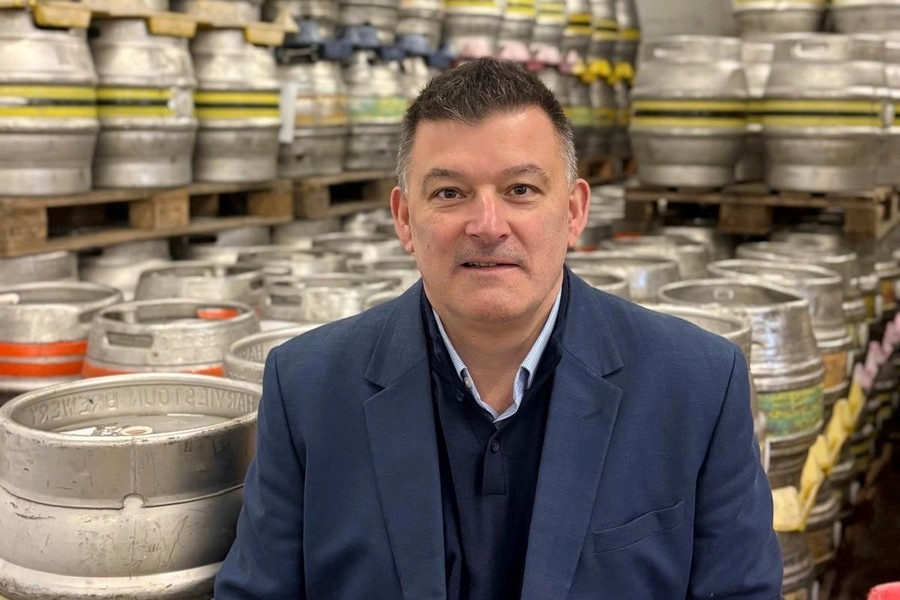
Harviestoun chief executive Andrew McKnight
This will include new warehouse and office space, site improvements, and upgrades to brewing infrastructure.
Harviestoun has invested more than £500,000 in this initial expansion phase, which will deliver a new 600 sq ft warehouse facility and additional office space.
For the past decade, Harviestoun has rented warehouse space while also storing additional stock in external facilities in Glasgow. Bringing storage and logistics fully back onto the brewery site will improve efficiency and create the capacity for Harviestoun to scale production for the next stage of the company’s growth.
This initial investment, which is geared to improve operational efficiency and strengthen the brewer’s ability to deliver across retail, hospitality and international markets, comes at a challenging time for Scotland’s brewing sector, following a series of high-profile developments, These include BrewDog’s sale and Innis & Gunn entering administration before its brand was acquired by drinks group C&C.
Alongside strengthening its production capacity, the brewery plans to expand its product range with more than five new beers this year, including a pale ale, brown ale, and nitro stout, as well as lower-alcohol and alcohol-free options.
Harviestoun currently produces just under 10,000 hectolitres of beer annually, with plans to grow output towards 20,000 hectolitres over time. The brewery’s annual turnover currently stands at £2.2 million, with forecasts projecting £2.5m this year and £3.1m next year.
“The investment is geared to supporting Harviestoun’s growth, while bringing our operations fully back onto the site in Alva,” said chief executive Andrew McKnight.
“We have invested steadily in our infrastructure over the past few years, upgrading brewing equipment and improving efficiency so that we have the foundations in place to grow the business in a sustainable way.”
He added that while overall beer consumption in the UK has stabilised in recent years, consumer preferences are shifting towards premium beers and well-crafted traditional styles, including lagers, pale ales and stouts.
“The market is increasingly turning back towards classic styles, such as lager and stout, but with a focus on quality. That plays to our strengths as a brewery with a strong heritage and well-established beers that continue to perform strongly with drinkers.
“Despite the challenging trading environment facing many breweries, we believe there are opportunities for independent producers with strong brands and disciplined operations.”