
Pamela Muir, insolvency partner at Thorntons, asks what the collapse of BrewDog and Innis & Gunn tells the UK craft brewing industry

This summer should, by rights, be a good one for UK craft brewers. A packed calendar of live sport, long evenings, and a public with a genuine appetite for watching events together is the kind of backdrop that fills pub gardens, moves kegs, and puts breweries in front of new customers. Beer drinkers are, by every measure of history and habit, primed to spend.
And yet, for many of the people who actually make the beer, this summer feels less like a celebration and more like a reckoning.
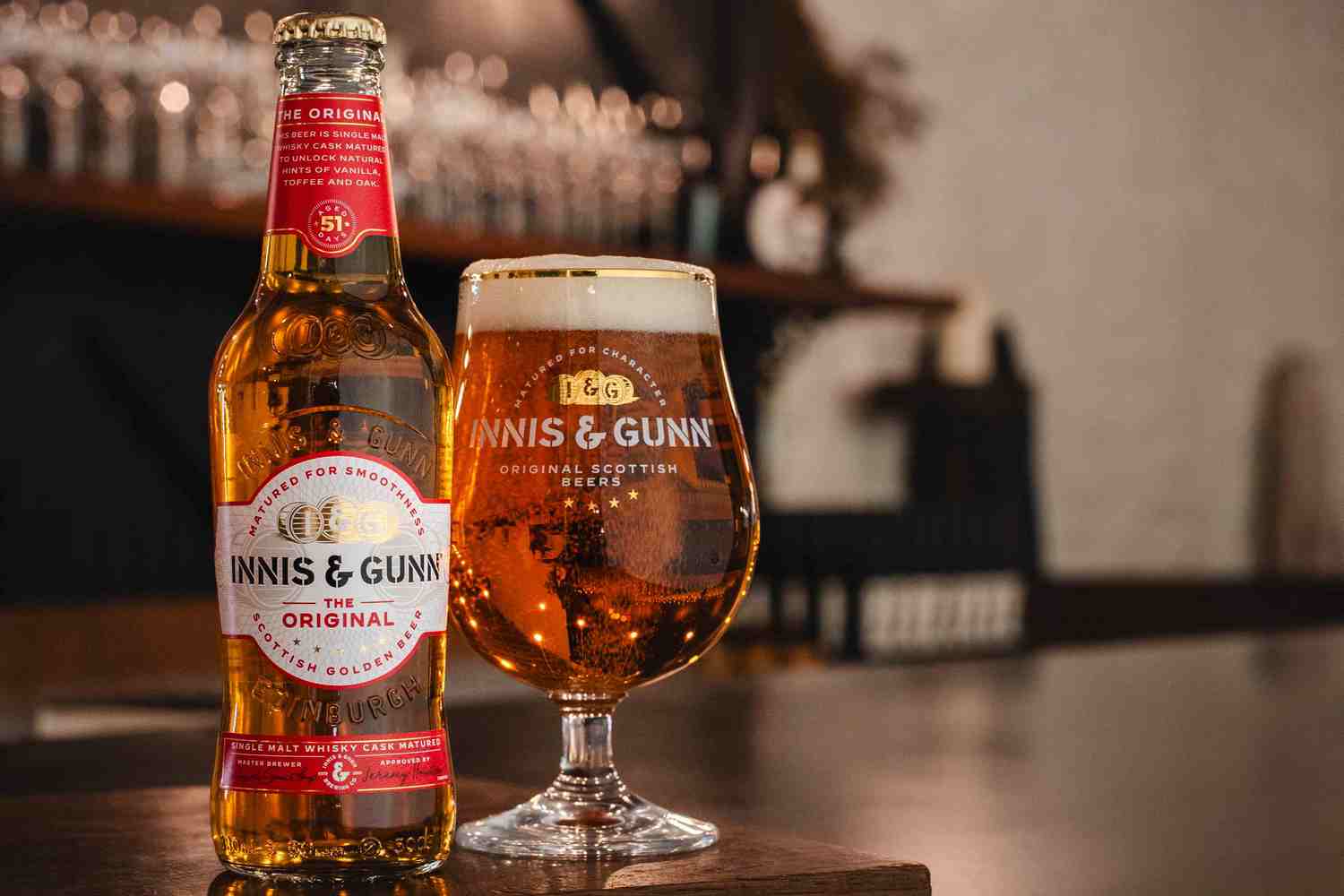
Within the space of a single week in early March, two of the UK’s most recognised craft brewing names ceased to exist as independent businesses. BrewDog was acquired by Tilray Brands, a Canadian cannabis and beverage conglomerate, for £33 million. Innis & Gunn’s brand and intellectual property were sold to C&C Group, owners of Tennent’s, for just £4.5 million. Ninety-nine jobs were lost. Neither brand remains under independent British ownership. As an insolvency and restructuring lawyer who has worked across the food and drink sector for decades, I have rarely seen two administrations of this scale occur in such rapid succession within the same domestic industry. The causes are instructive. The lessons apply well beyond Scotland.
Both companies had grown at pace and at scale in a way that prioritised volume, brand profile, and distribution reach over margin discipline and cashflow resilience. The supermarket channel was central to that growth strategy, and central to the margin erosion that ultimately proved fatal.
There is a perception across the industry that supermarket shelf presence means you’ve made it. In truth, many craft breweries across the UK have become dependent on a channel that can extract value rather than create it. Promotional contributions, retrospective rebates, and listing fees compress margins to a point where craft beer, with its inherently higher production costs, struggles to generate any meaningful return.
The craft beer premium that consumers are willing to pay in a pub or at a festival largely evaporates in a supermarket multipack. And when promotional periods require discounting on top of already thin margins, the business case for supermarket distribution can turn negative almost without the brewer noticing. By the time Innis & Gunn’s administrators were appointed, insolvency had become, in their own words, “unavoidable”.
Alongside the structural pressures of retail pricing, there is a longer-term demand-side shift that UK craft brewers ignore at their peril. Gen Z is not drinking less. It is drinking differently. On-trade UK sales of non-alcoholic beer sales grew 26.4% in 2025, following a 22% increase the year before. Over half of Gen Z drinkers regularly choose non-alcoholic beers, mocktails or low-ABV options when socialising, not because they are teetotal, but because they exercise a deliberate intentionality about when and how much they drink.
Previous generations of beer drinkers were reliably monogamous; Gen Z consumers are, by contrast, highly brand promiscuous, drawn by authenticity and experience rather than habit or default loyalty. This is not a threat to craft beer. It is a brief for what craft beer, at its best, can offer.

It is important not to allow the dramatic failures to obscure the fact that some craft breweries are not merely surviving, they are genuinely thriving. Wasted Degrees, in Perthshire, grew 57% in 2025, by tying its offer to local events and a clear sense of place. Fyne Ales built a hospitality and tourism operation that creates direct-to-consumer revenue at full margin. Vault City carved a genuinely differentiated position through its commitment to modern sour beers, building a loyal following prepared to pay premium prices through its own channels. Bellfield found pricing power in a defensible, underserved niche: gluten-free brewing.
The pattern holds across the UK. Breweries that have invested in direct relationships with their customers, whether through taprooms, events, tours, or their own online channels, are weathering the structural pressures that are breaking businesses built around retail volume. If more than 40% of your revenue flows through one or two retail accounts, you are carrying a risk that would concern any adviser reviewing your balance sheet. Build the experience before you need it: the pub, the brewery tour, the festival partnership. These are not marketing luxuries. They are, increasingly, the economic foundation of a resilient craft brewery.
What the March 2026 administrations tell us is that desire, however genuine, however loudly expressed, does not, by itself, pay a creditor. The structural challenges facing UK craft brewers, margin compression in retail, the cost of scaling and the relentless pressure on consumer spending, are not going away.
But neither are the brewers who understand that survival, in this environment, requires more than good beer. This summer will bring its share of opportunities. The question is whether your business is built to capture them.